
What’s the difference between lemonwood pegs and brass nails in cowboy boots?
Both lemonwood pegs and brass nails are commonly used in premium cowboy boot construction, and many bootmakers use the two together. Lemonwood expands and contracts at a rate similar to leather as moisture levels change, meaning the lemonwood pegs essentially move with the leather, which helps prevent gaps from developing. Brass nails won’t move with the leather, but they offer a more secure connection through the sole, which is important in certain areas of the boot (which is why many bootmakers will use both lemonwood pegs and brass nails).
What Are Lemonwood Pegs and Brass Nails?
Lemonwood Pegs
Lemonwood pegs are small wooden fasteners that bootmakers hammer into the sole assembly to help secure the outsole and other leather components. Bootmakers typically use these pegs around the arch and waist of a cowboy boot, where they help hold the layers of leather together.
Here is a look at some lemonwood pegs that I own, and how they look on the bottom outsole of a finished western boot:
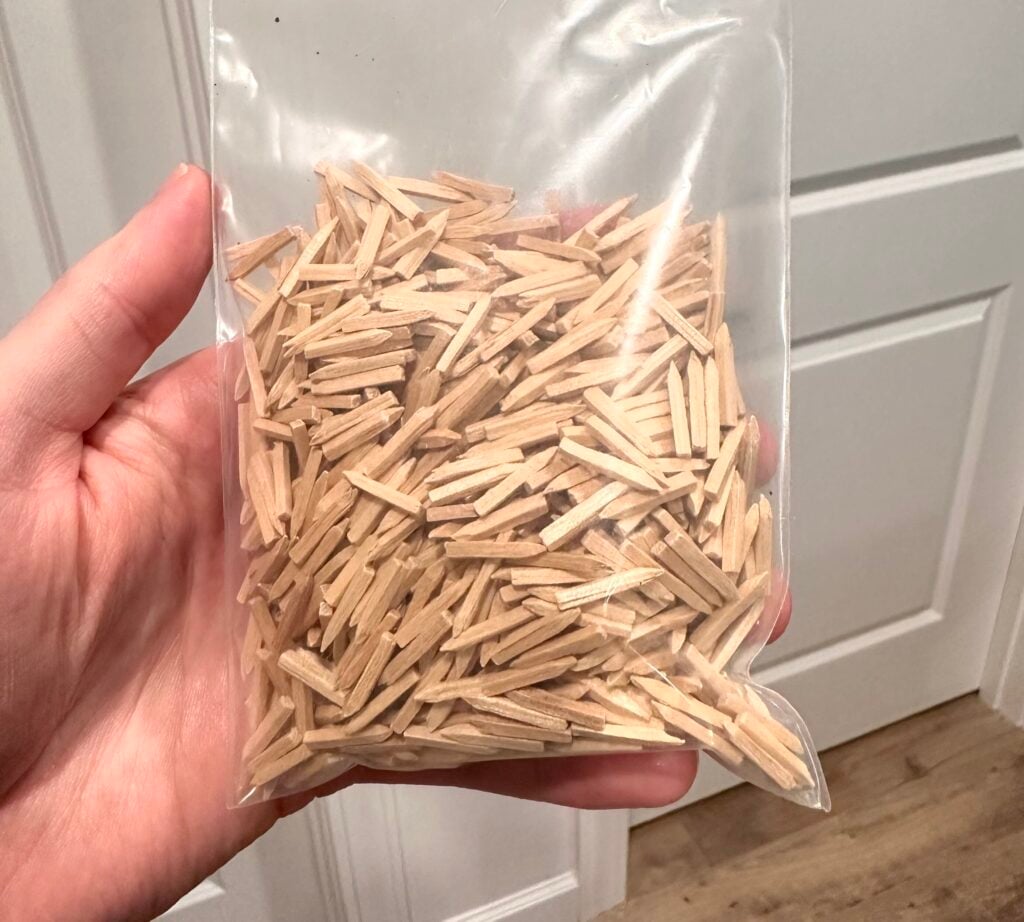
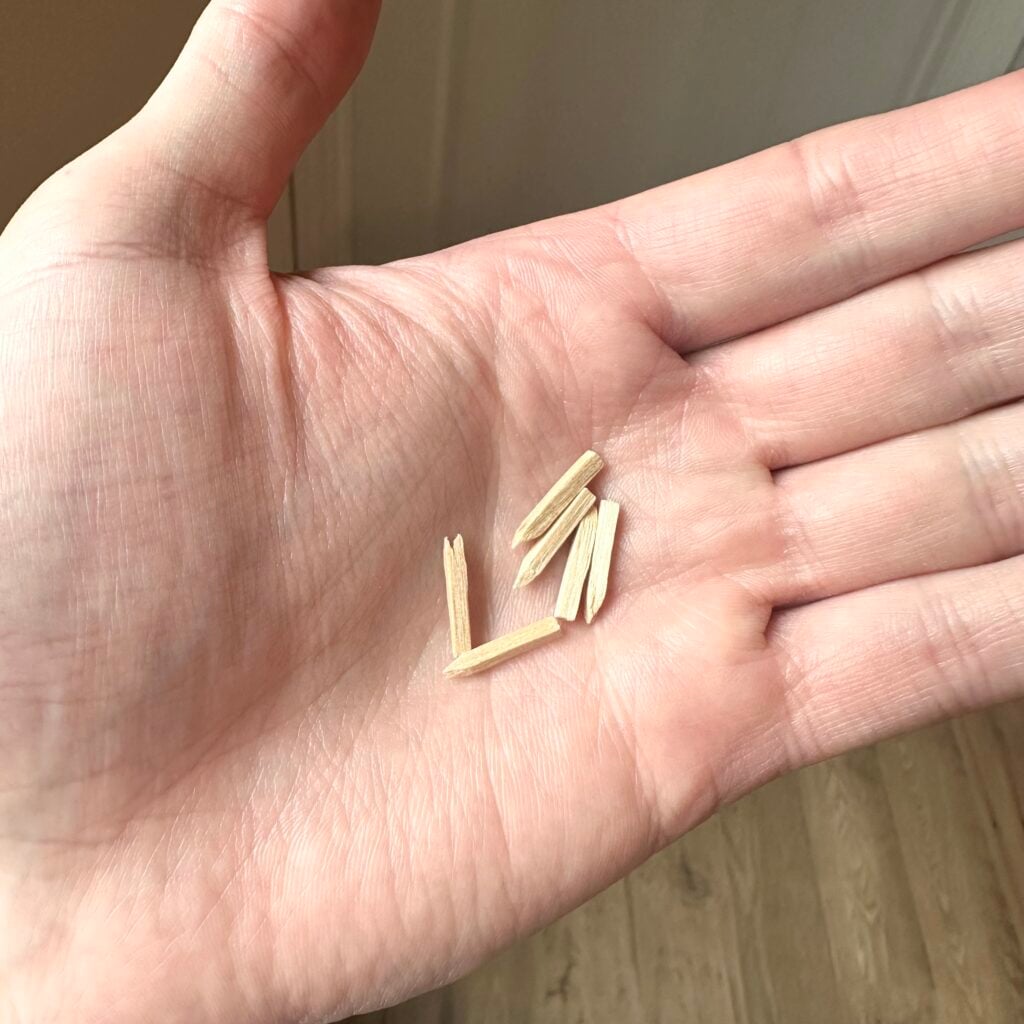
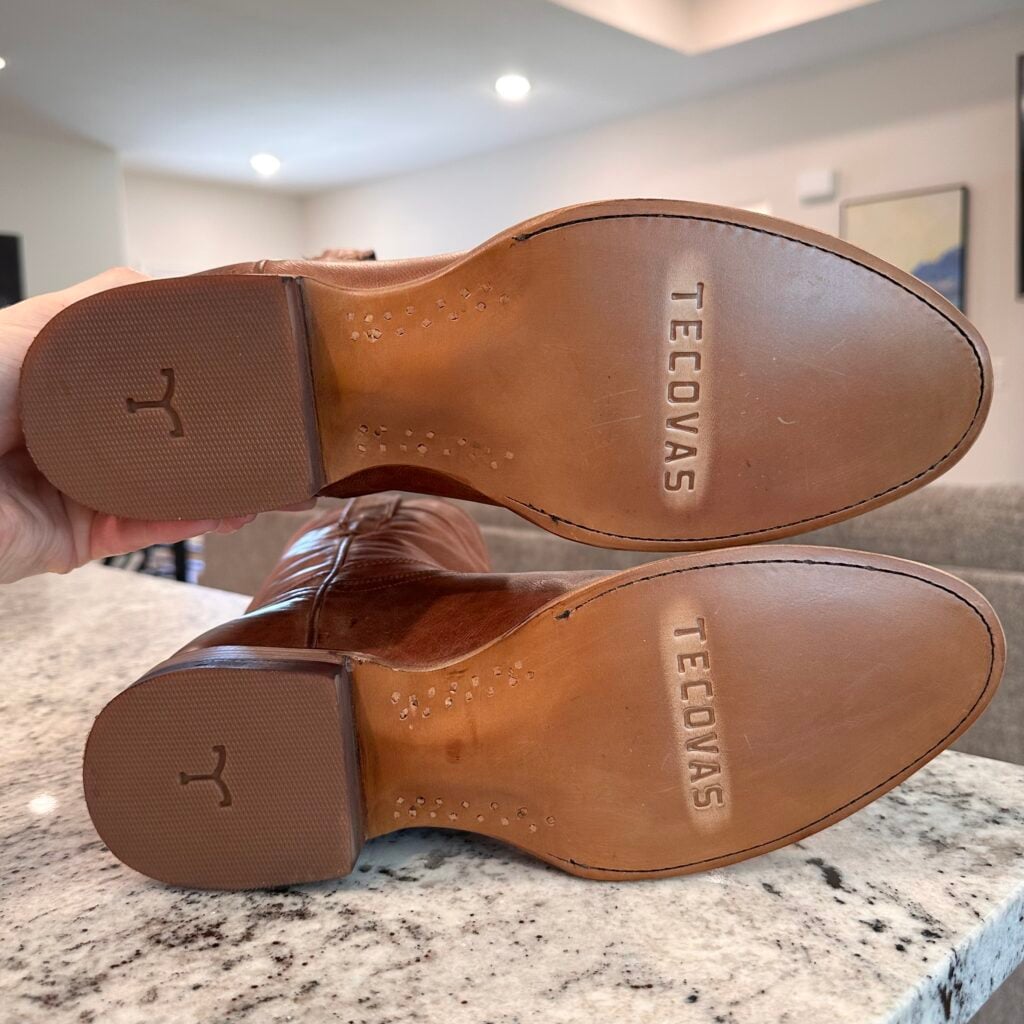
Lemonwood is particularly useful because it is dense, strong, and responds to changes in moisture at a rate similar to leather. This allows the pegs to remain firmly seated as the surrounding leather expands and contracts.
Brass Nails
Brass nails serve a similar purpose, but do function slightly different than lemonwood pegs. Brass nails are driven through the leather sole components to hold them together and provide additional structural support. Brass is a popular choice because it resists rust and corrosion better than ordinary steel.
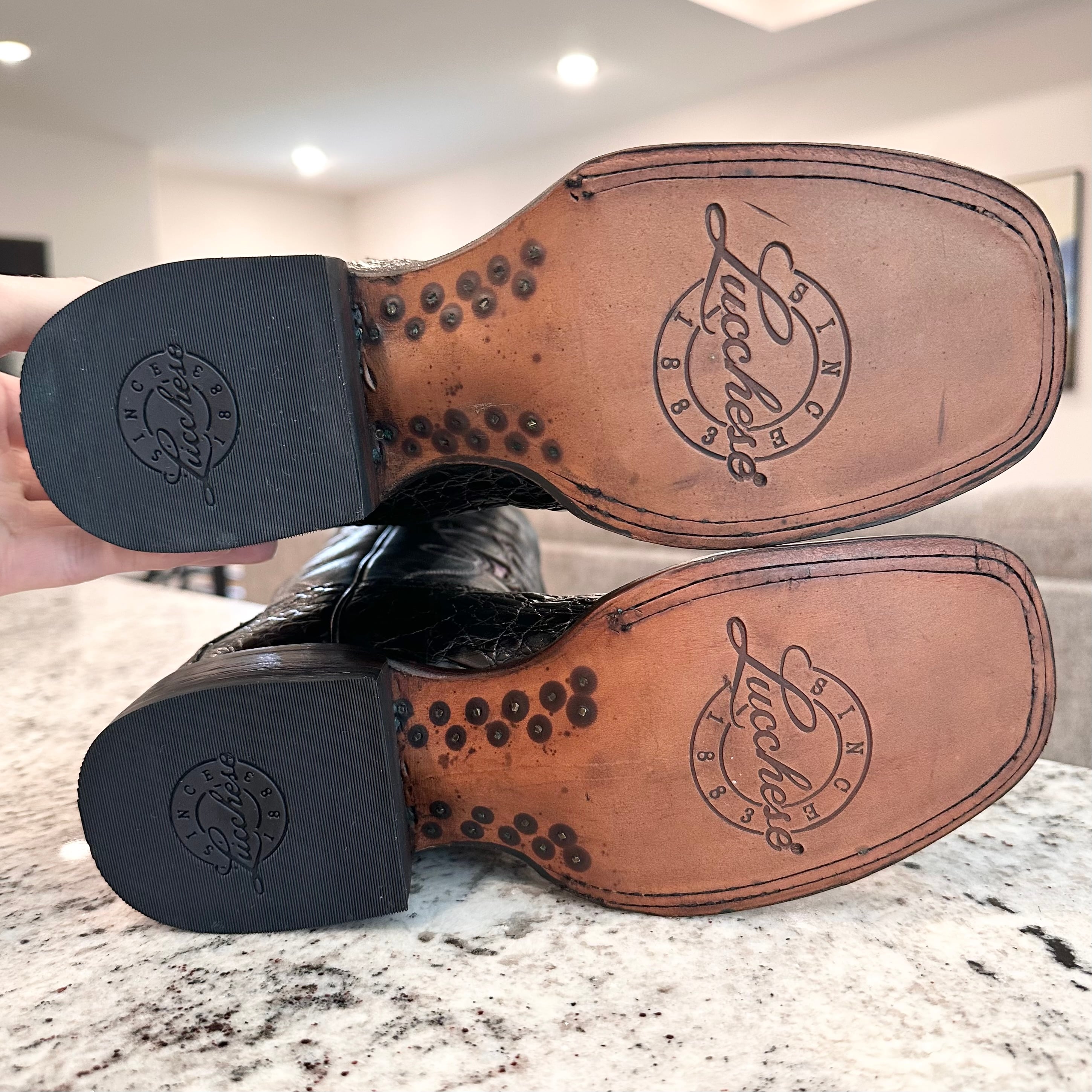
However, brass can develop a greenish surface discoloration called verdigris when exposed to moisture and environmental elements. And unlike lemonwood pegs, brass nails will not expand and contract with the leather, meaning small gaps may develop over time. But brass nails offer a more secure connection through the sole layers.
Many bootmakers also find brass nails quicker to install during production. However, brass can develop a greenish discoloration called verdigris over time when exposed to moisture.
Are Lemonwood Pegs Better Than Brass Nails?
The choice between lemonwood pegs and brass nails often comes down to the bootmaker’s construction preferences and the type of connection they want to create, and one isn’t necessarily considered better than the other.
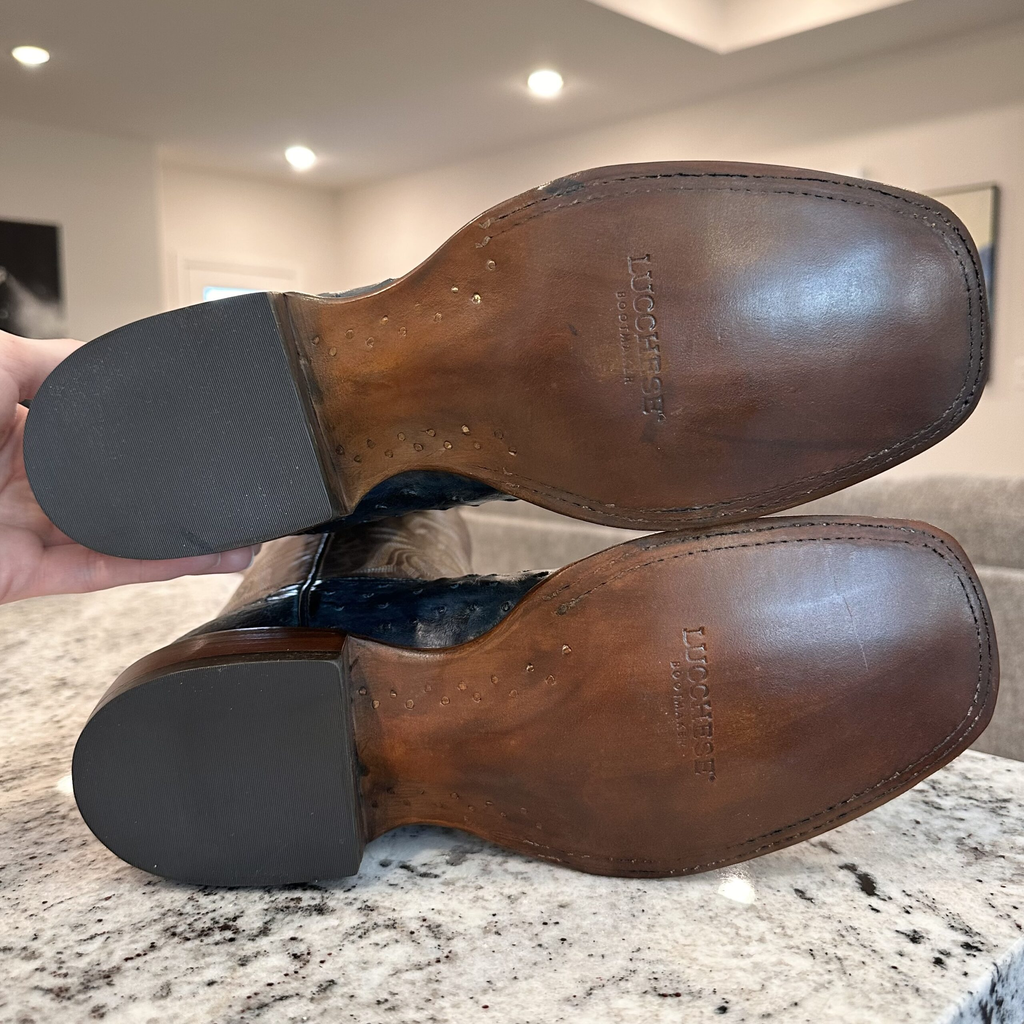
Lemonwood offers a traditional wood-to-leather fastening method that has been used in Western bootmaking for generations. Brass provides a durable metal fastening that can be easier to incorporate into certain construction processes. Neither material automatically makes a boot superior to the other, and the quality of the installation matters just as much as the fastener itself.
Many bootmakers will use both lemonwood pegs and brass nails in the sole construction. For example, here is a boot that I own that has both pegs and nails:
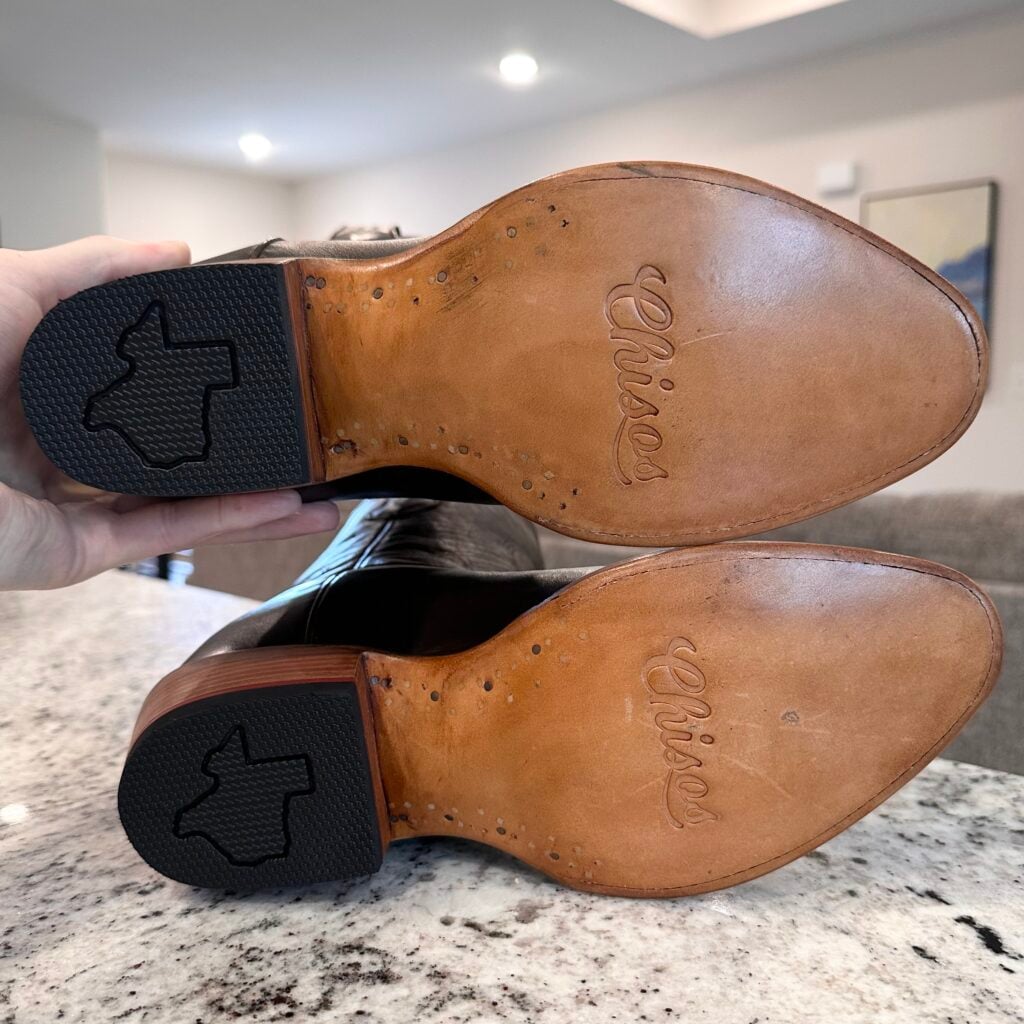
Both methods are generally associated with premium cowboy boots, particularly those made with traditional leather soles and more involved construction techniques. These methods also offer a different approach from cemented boot construction, which relies primarily on adhesive to attach the outsole to the boot.
Cemented construction is common in inexpensive, mass-produced footwear because it is relatively quick and inexpensive to manufacture. Traditional pegging and nailing provide mechanical connections between the leather components rather than depending entirely on an adhesive bond.