
What Is Lemonwood Peg Construction in Cowboy Boots?
Lemonwood peg construction is a traditional bootmaking method that uses small wooden pegs to secure parts of a cowboy boot’s sole assembly near the arch and heel area of the boot. By inserting these lemonwood pegs, a bootmaker secures the outsole with other parts of the midsole area of the boot. The reason lemonwood pegs are used is lemonwood is a dense, durable wood that expands and contracts at nearly the same rate as leather when exposed to changes in moisture. This means the pegs stay securely in place better than other types of materials.
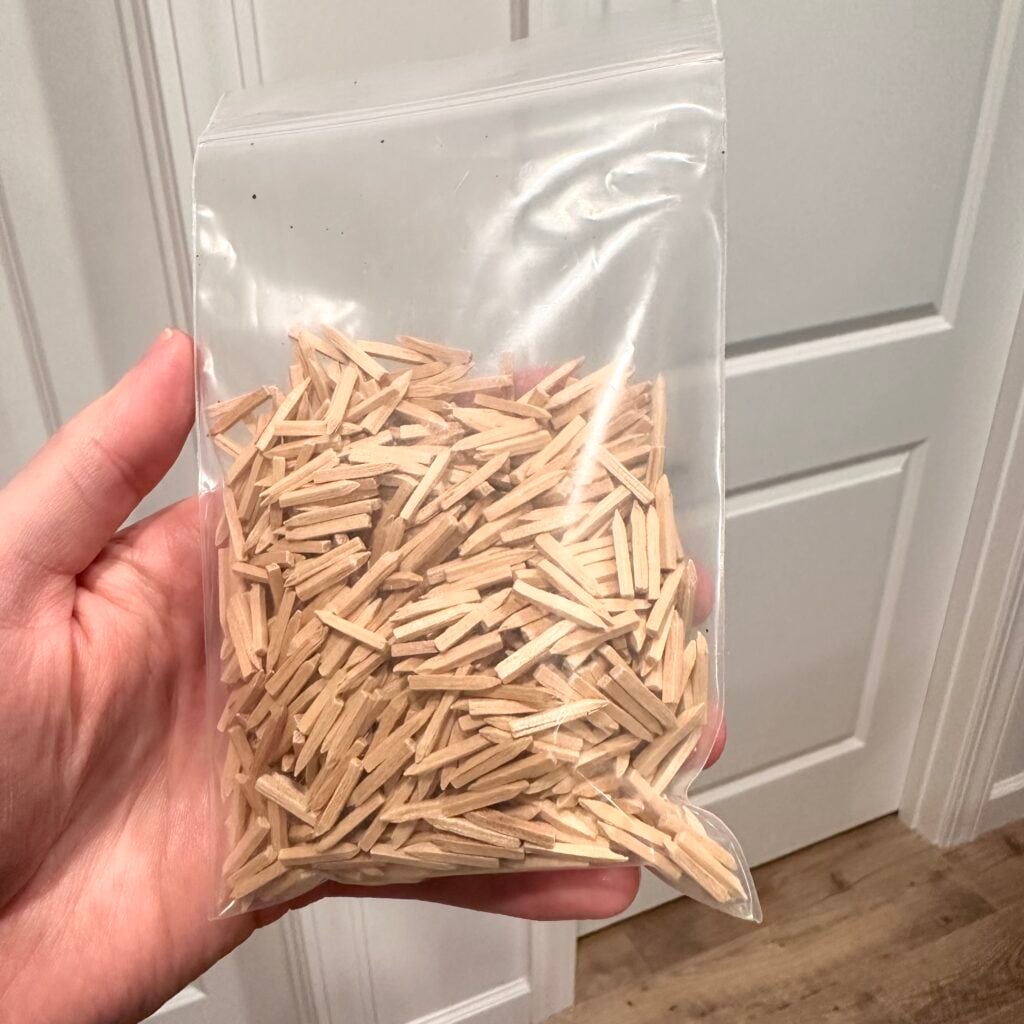
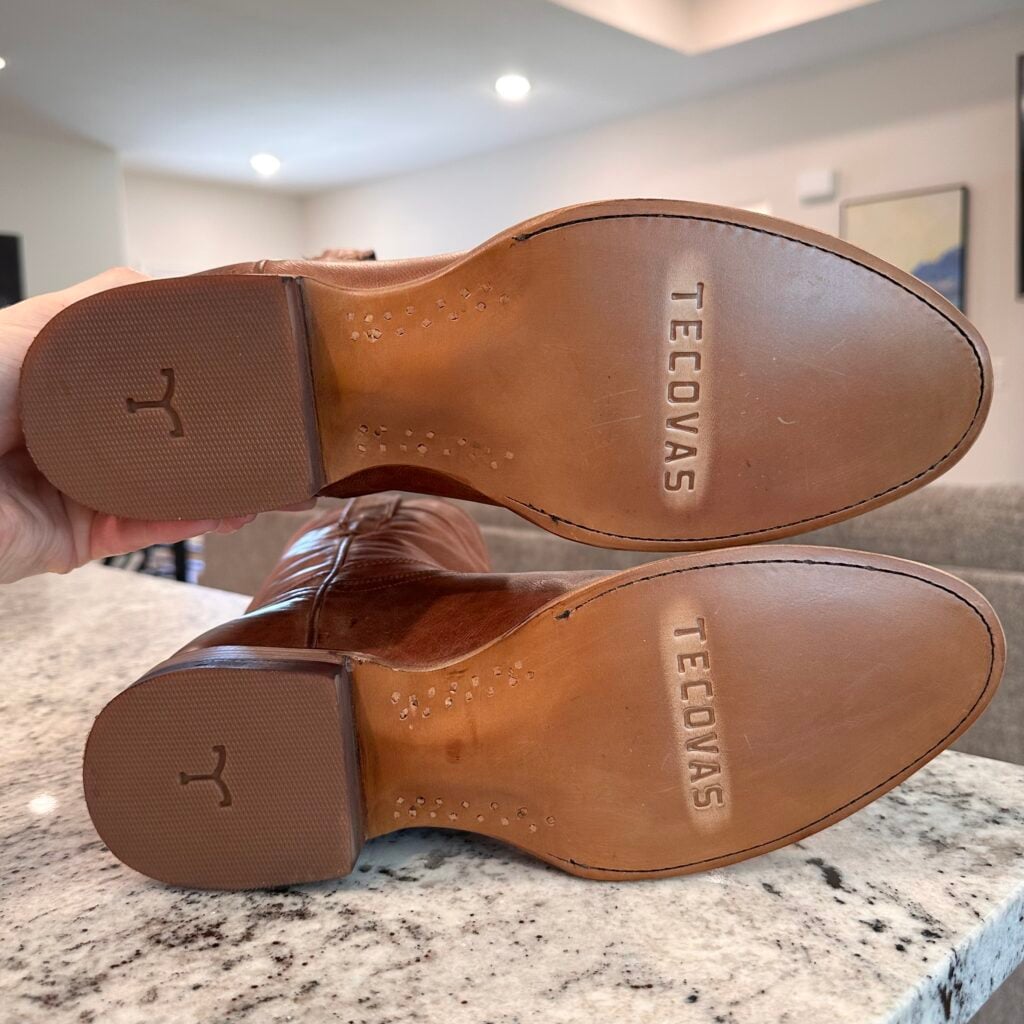
Here is a look at some lemonwood pegs that I own, and how they look on the bottom outsole of a finished western boot:

What are Lemonwood Pegs in Boots?
Lemonwood pegs are small wooden pegs that are inserted by bootmakers into the sole of the boot to help hold the different sole layers (and components within those layers) in place. Lemonwood pegs are most commonly used in handmade boots, where a bootmaker will actually hand-hammer the lemonwood pegs into place.
The use of wooden pegs in footwear dates back centuries, long before modern machinery and synthetic adhesives became common in shoemaking. Traditional shoemakers used wooden pegs to join leather soles and other parts of footwear. The method eventually became an established part of American bootmaking, particularly in the Western boot industry.
As cowboy boots developed during the 19th century, bootmakers continued using pegging techniques because they provided a dependable way to secure leather components. Lemonwood became a preferred material because of its strength and ability to respond to moisture in a similar way to leather.
Leather naturally expands and contracts as its moisture content changes. Metal nails do not respond in the same way, which can create movement and separation between the materials over time. Lemonwood pegs expand and contract at a similar rate to the surrounding leather, helping maintain a tight connection. The wood also does not rust or corrode like metal.
These characteristics make lemonwood particularly useful in traditional leather-soled cowboy boots, which experience regular changes in moisture from walking, weather, and everyday wear. To be clear, lemonwood pegs do not make a boot waterproof, and the surrounding leather still requires proper care.
Lemonwood pegging also offers advantages during the bootmaking and repair processes. Skilled bootmakers can position individual pegs by hand, allowing them to work around the arch and other areas where additional support is needed. The technique helps preserve the shape of a carefully lasted boot while keeping boot components securely positioned.
However, pegging requires additional labor and experience (meaning it is more expensive to produce than a machine-made boot). Each hole must be properly placed, and each peg must be driven into the leather with the correct amount of force. Because this type of boot construction takes a specialized set of skills, lemonwood pegs are most commonly associated with premium boots and brands that prioritize handmade boots.
Lemonwood Pegs Compared to Other Boot Fasteners and Construction Methods
Lemonwood Pegs vs Brass Nails
Brass nails are another traditional material used in Western boot construction. Like wooden pegs, brass nails can secure parts of the sole assembly and help hold components in position. Brass does not rust like ordinary steel, however, over time brass can develop a greenish patina called verdigris when it is contacts moisture and other environmental elements.
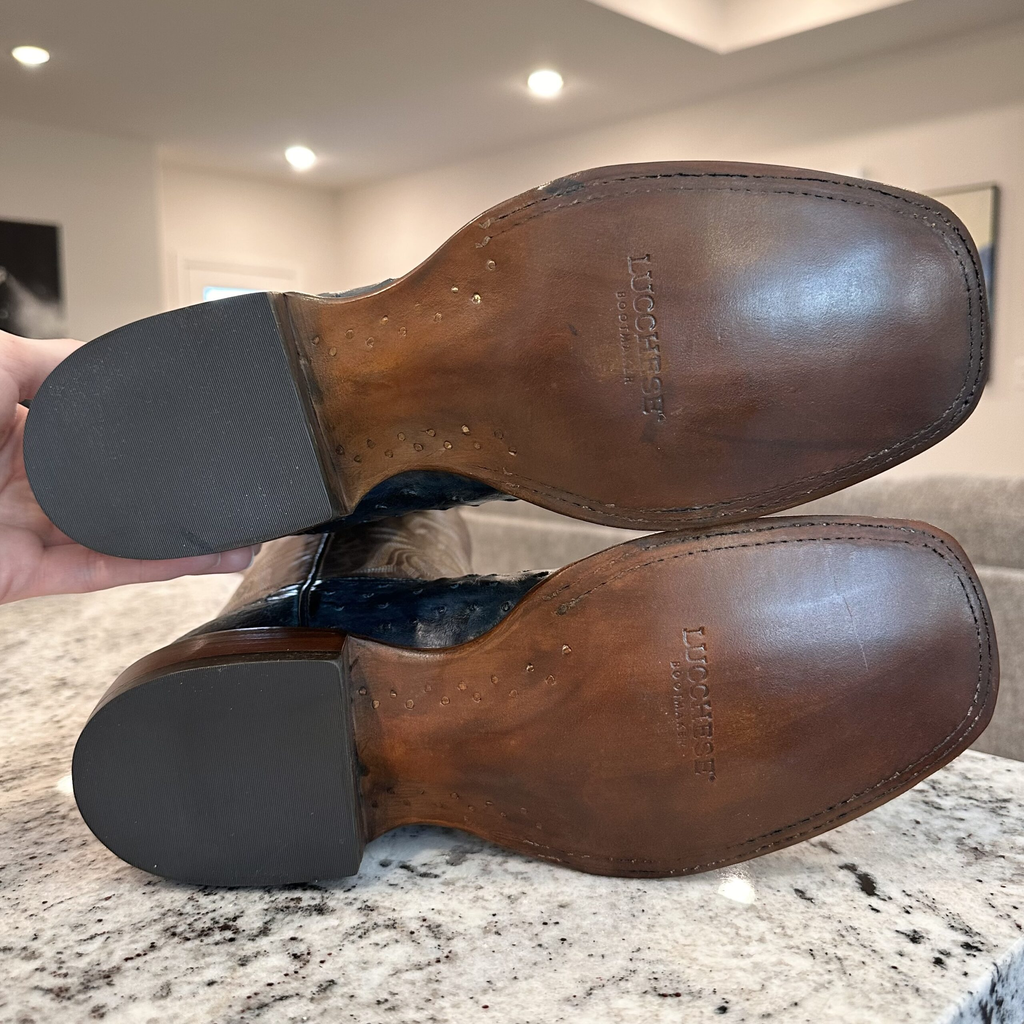
For example, below is a boot that uses brass nail construction:
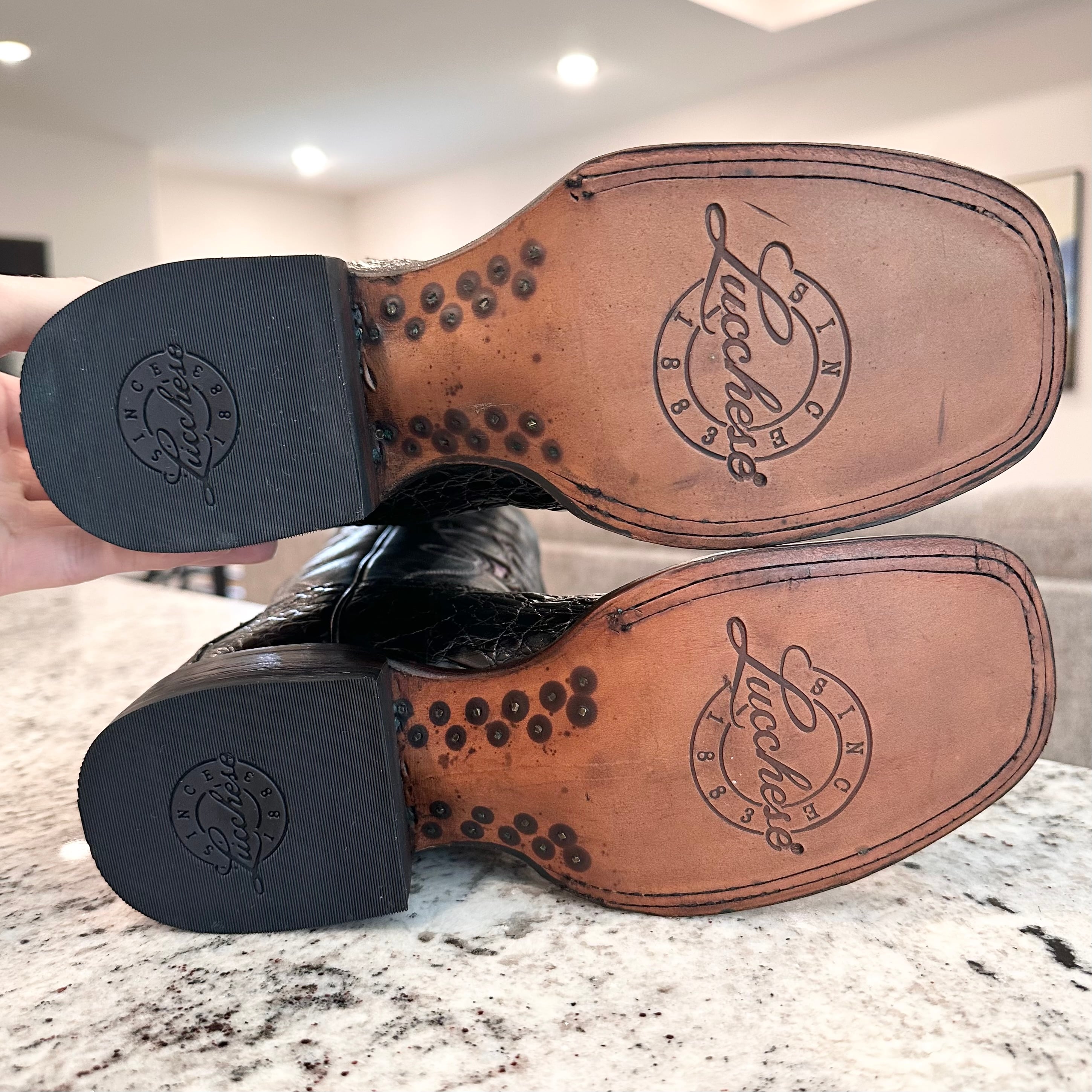
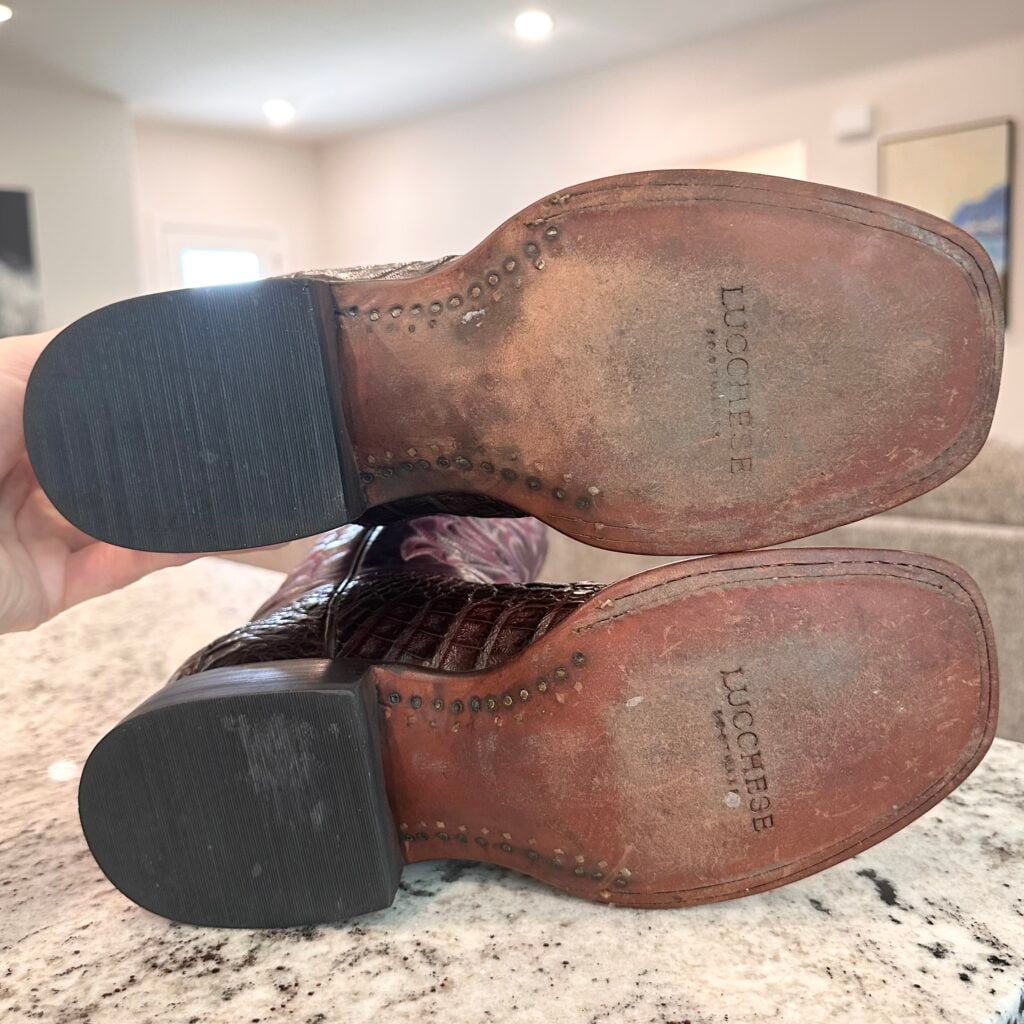
However, metal does not expand and contract with leather in the same way lemonwood does. Changes in moisture can cause the leather to move and separate from the brass nails. Brass nails also do not provide the same traditional wood-to-leather connection that makes lemonwood pegging desirable to many handmade bootmakers. Some manufacturers use both materials, meaning the bottom sole area of the boot has both lemonwood pegs and brass nails visible.
You can see the combination of lemonwood pegs and metal nails on the pair of boot I own pictured below:
Cemented Construction
Cemented construction uses adhesive to attach the outsole to the rest of the boot rather than relying on pegs or traditional sole stitching. This approach is common in mass-produced footwear because it requires less specialized labor and can reduce manufacturing costs.
Cemented boots can also be lighter and more flexible than some traditional leather-soled designs. However, adhesive bonds can eventually weaken, and resoling options are generally more limited. Lemonwood pegging requires more hands-on work, but it provides a traditional mechanical connection that does not depend on adhesive to hold the components together.
What Types of Western Boots Use Lemonwood Peg Construction?
Lemonwood pegging is most commonly associated with traditionally constructed, handmade Western boots. High-end bootmakers such as Lucchese and Chisos and Tecovas use lemonwood pegs in many their boot models. The method is particularly common in boots built with leather soles, traditional leather components, and carefully hand-lasted construction.
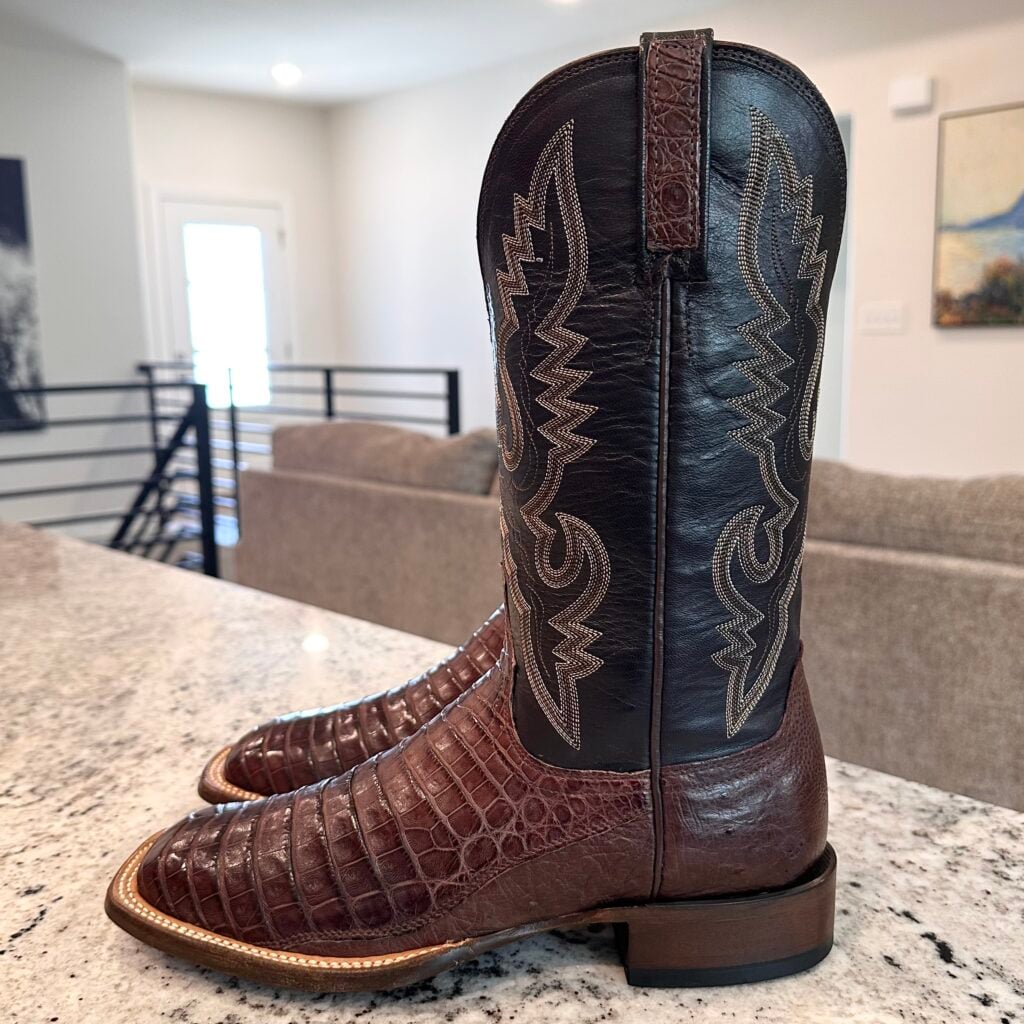
As I mentioned above, some manufacturers use lemonwood pegs alongside brass nails rather than relying exclusively on wooden fasteners. The exact number and placement of pegs varies by manufacturer and boot design.
Lemonwood pegging is generally more common in higher-priced handmade boots than inexpensive, mass-produced cowboy boots. The process requires skilled labor and additional time, which contributes to manufacturing costs. However, price alone does not guarantee that a boot uses lemonwood pegs.