
*This page has affiliate links to Amazon. As an Amazon Associate I earn from qualifying purchases. (info)
Cowboy boots are unlike any other footwear. They’re iconic in style, rugged in construction, and designed to last years with proper care. But one of the most overlooked qualities of cowboy boots is how modifiable they are.
Here are some popular accessories used to modify cowboy boots:
- To Stretch Boot FootFitter Professional Boot Stretcher (click here to view)
- To Condition Leather Bickmore Bick 4 Leather Conditioner (click here to view)
- To Darken Leather Huberd’s Leather Shoe Oil (click here to view)
- To Dye Leather Fiebing’s Boot Leather Dye (click here to view)
- Add Rubber Heel Goodyear Neolite Rubber Heels (click here to view)
- Repairing Cracks Angelus Leather Filler (click here to view)
- Boots Slightly Loose Toe Foam Inserts (click here to view)
Unlike sneakers or most dress shoes, cowboy boots can often be stretched, resoled, dyed, reshaped, or personalized to better match the wearer’s needs. The level of modification ranges from small cosmetic changes you can do at home to more advanced adjustments that require a professional cobbler.
So, can you modify cowboy boots? The short answer is yes—but it depends on the type of modification, the materials used, and whether you’re comfortable balancing the benefits with the potential drawbacks. This article will cover the full range of modifications, from easy DIY fixes to advanced structural changes, and will also explore exotic leathers, risks, and when to seek professional help.
Easy Cowboy Boot Modifications You Can Do at Home
Fixing Loose Threads and Embroidery on Cowboy Boots
Cowboy boots are stitched with durable nylon or polyester threads, but with regular use, threads can fray or embroidery can loosen. Instead of letting the problem grow, you can often fix it at home.
A lighter or small heat source can seal fraying nylon stitches by gently melting the fibers back into place. This works well on stray threads along the seams. For decorative embroidery, where flame could scorch delicate designs, a small dab of fabric glue applied with a toothpick will secure the thread without damaging the boot.
Removing Scuffs and Scrapes from Cowboy Boots
Cowboy boots will pick up scratches whether they’re worn on the ranch, in the city, or just for casual outings. Fortunately, most scuffs can be buffed away with leather balm or cream polish. A soft cloth and elbow grease are usually all you need.
If the scratch is deep enough to remove color, leather dye or pigmented polish helps rebuild the tone. For boots with matte finishes, like roughout, brushing with a stiff horsehair brush restores the nap and hides surface marks.
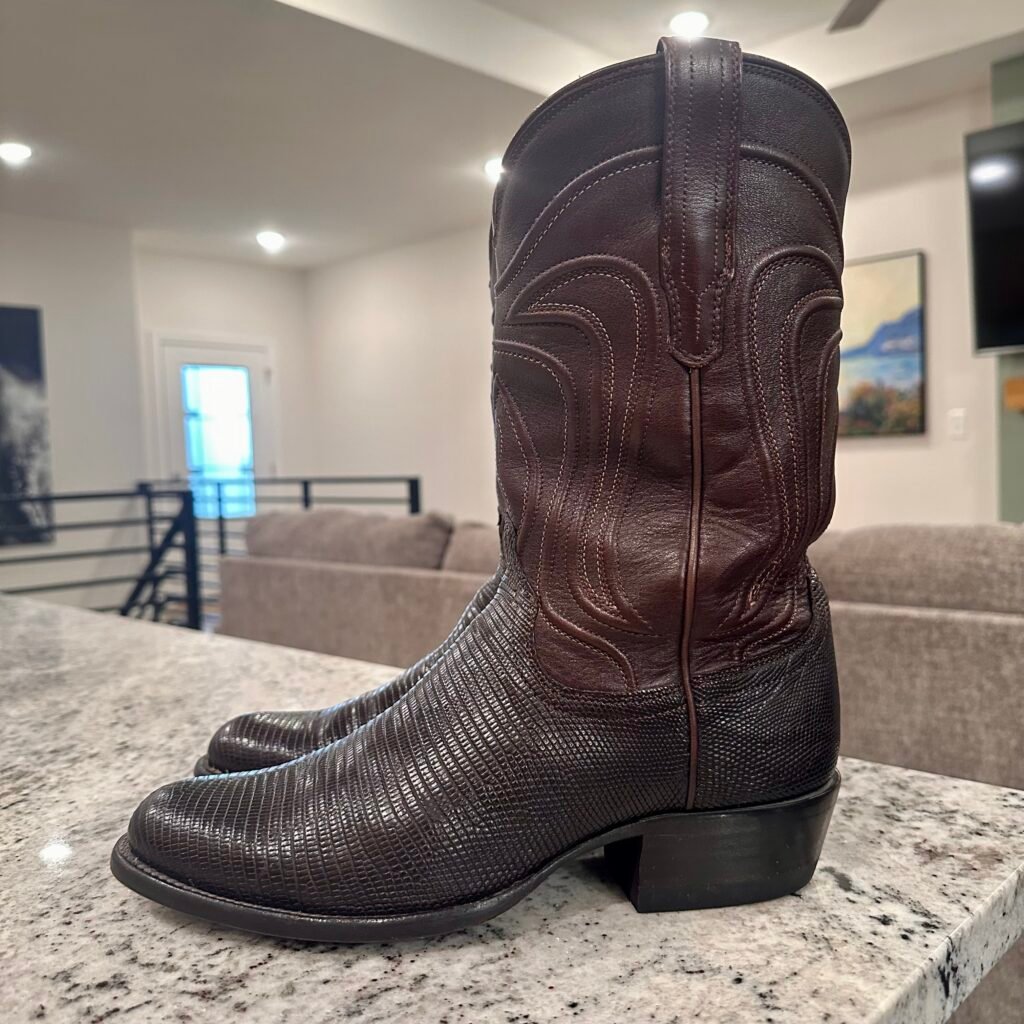
However, you can also use a roughout/suede leather brush cleaner which helps remove spots and also helps restore the natural look of the material.
Where to find what you need: leather balm and polish are widely available. You can purchase them from bootmakers, Western wear shops, cobblers, or online retailers like Amazon. Brands such as Bickmore, Saphir, and Angelus are known for high-quality products.
How to Repair Deep Cuts in Leather Boots
Cuts in the leather may look permanent, but many can be disguised at home. A thin bead of super glue, followed by sanding, balm, and polish, blends the area enough that most people won’t notice. This is the same trick cobblers use.
That said, on higher-end boots or exotic skins, at-home repairs can look uneven. If the boots are valuable, it’s worth investing in a cobbler’s skill for a seamless finish.
If you make a repair at home, always use a filler polish afterward (cream-based, not wax). Wax polish tends to sit on the surface and highlight the scar, while cream polish seeps into the repair and blends it better.
Restoring Boot Edges with Edge Dressing
The welt and sole edge lose dye quickly, exposing raw leather and making boots look old. Edge dressing is a liquid dye designed for this purpose. It’s easy to apply with a small applicator brush and instantly sharpens up worn boots.
For a more custom look, you can sand the edges to reveal natural leather, which creates contrast against dark uppers. Some boot enthusiasts prefer this “two-tone” appearance because it highlights the craftsmanship.
Where to find what you need: edge dressing is sold at cobbler shops, Western stores, or online. Fiebing’s Edge Kote and Saphir Edge Dressing are two of the most popular.
Changing the Color of Cowboy Boots
Can You Dye Cowboy Boots?
One of the most dramatic modifications is changing the color. Whether you’re looking to freshen a faded pair or completely transform a tan boot into black, color work is possible with cowboy boots.
Yes, you can dye cowboy boots. Full recoloring is possible. Owners have successfully dyed tan roughout boots black or changed lighter shades to darker tones like oxblood, burgundy, or navy. Leather dye penetrates deep into the hide, creating a lasting transformation.
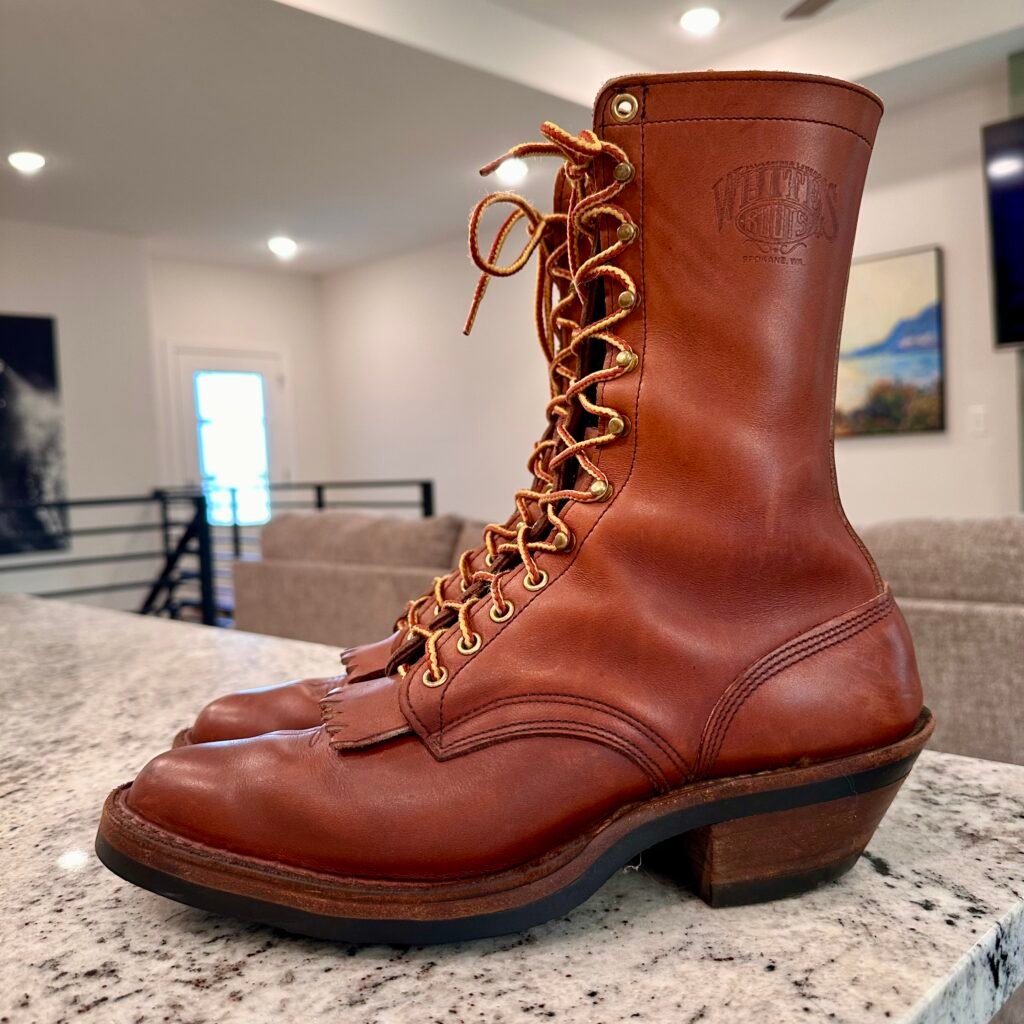
However, dyeing is permanent. Once you change the color, there’s no going back. You should only attempt this if you’re certain about the new shade.
It is also something that can easily go wrong, so you would want to master your craft on cheaper boots until you feel confident.
Many cobblers will dye boots for you, especially if you want to darken them or refresh faded color, but the results can vary depending on the leather type and finish. Smooth cowhide usually takes dye well, while exotic skins like caiman, lizard, or ostrich can absorb unevenly and may not be recommended.
Cobblers often prefer going darker rather than lighter, since covering lighter shades is easier, and they may also combine dyeing with refinishing to even out the look. If you want this done, it’s best to call ahead, as not all cobblers offer full recoloring, and prices can range depending on the complexity and the materials.
Darkening and Lightening Cowboy Boots with Polish
If you want to change the color of your cowboy boots (slightly), using a polish is the easiest way.
A dark brown polish applied over medium-brown boots gradually deepens the color. Conversely, buffing with balm or removing some top dye with a rag can lighten boots. Some owners use this method to create a marbled, distressed effect that looks unique and aged.
Also, many leather boots can be darkened by adding shoe oil conditioner to the leather (it will take a medium brown to a darker brown). For example, I like to use Huberd’s shoe oil for this:

Shoe polishes are sold at cobbler shops, Western wear retailers, and online. Popular brands include Fiebing’s, Angelus, Meltonian, and Saphir. Always choose a polish specifically formulated for leather footwear, not upholstery or crafts.
How to Modify the Shape of Cowboy Boots
Changing the Toe Shape of Cowboy Boots
Cowboy boots are famous for their distinctive silhouettes, but some elements of shape can be changed if you want a different look.
Cowboy boots come in pointed, snip, square, roper, and French toe variations. Some owners compress the toe box to change its look. For example, flattening a medium square toe into a flatter French toe. This is possible with repeated pressure or heat, but be warned: the toe box adds structure. Too much compression can weaken the boot or make it uncomfortable.
If you’re considering this for an expensive pair, consult a cobbler. They have forms and presses that can reshape toes more safely than at-home methods.
Making the Boot Shaft Fit Tighter
Because cowboy boots lack laces, shafts are wide enough for the foot to pass through the bend. This often leaves extra room around the calf. Owners who wear slim jeans sometimes cinch the shaft with straps, Velcro wraps, or even laces. This works temporarily and lets boots slide under jeans, but it’s not permanent.
Cobblers can narrow shafts slightly, but it’s a delicate modification that may reduce long-term durability. If you want a tighter shaft, it’s better to buy a boot designed with that profile.
How to Improve the Fit of Cowboy Boots
Using Insoles for Cowboy Boots
Insoles can correct loose or tight fits. A thin insole under the factory insole makes the boot fit tighter, while heel inserts help with slipping. If boots feel too snug, removing thick factory insoles and replacing them with thinner ones creates more space.
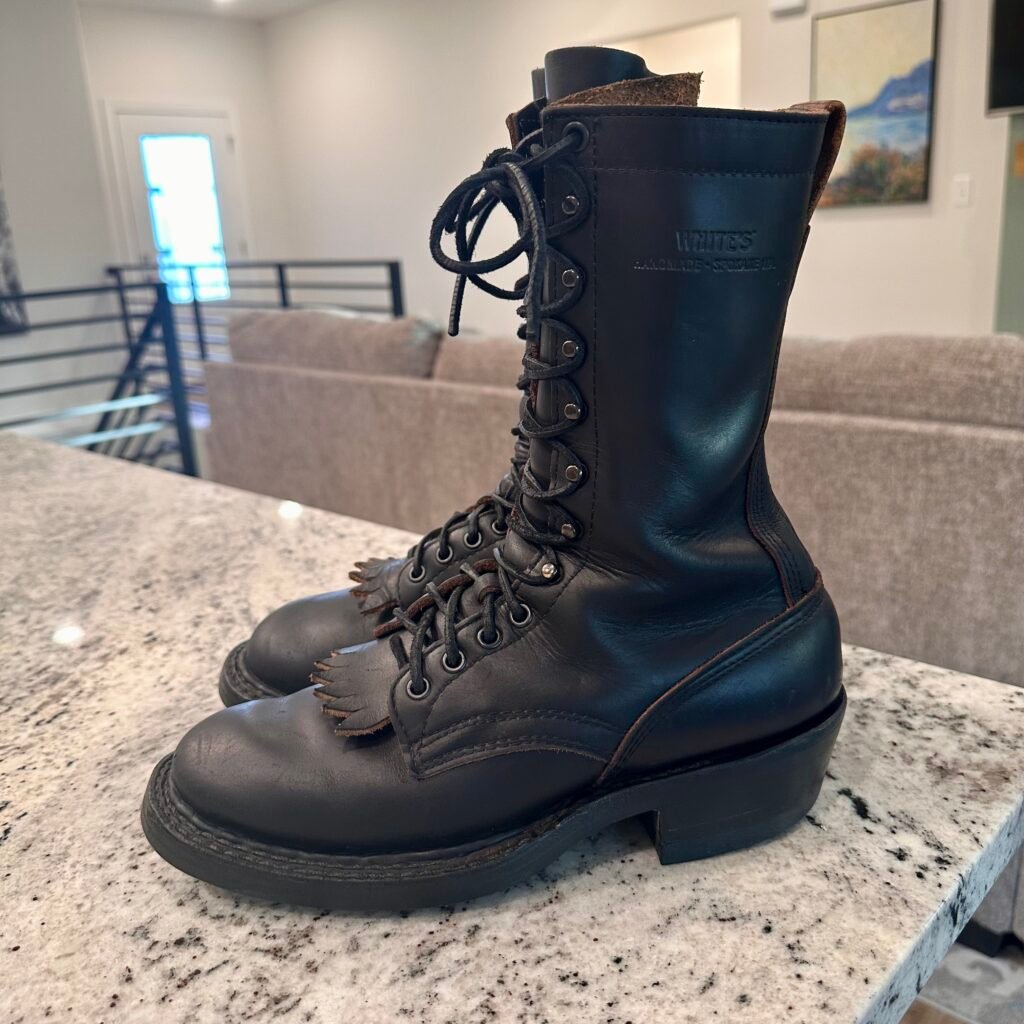
Where to find insoles: drugstores, big-box retailers like Walmart, and online stores carry inexpensive insoles. For higher-end support, look at brands like Superfeet or custom orthotics through a podiatrist.
How to Stretch Cowboy Boots
Boots that feel a little tight can be stretched with home tricks. Wearing two pairs of socks around the house for short periods helps expand the vamp. The “baseball trick”—placing a ball under the vamp overnight—creates extra room across the top of the foot.
Stretch sprays soften the leather, making stretching more effective. Boot trees wrapped in tape are another option, helping push the leather outward gradually.
Popular Cowboy Boot Customizations a Cobbler Can Do for You
Want to use a cobbler to customize your cowboy boots?
One of the most common customizations cobblers perform on cowboy boots is changing (or repairing) the outsole. Since boots are designed with a welt that allows the sole to be removed and replaced, cobblers can swap a worn leather sole for a fresh one, or even upgrade to a rubber sole for better traction and weather resistance.
Many boot owners also ask for sole savers to be added right away, which are thin layers of rubber glued over the leather sole to extend its life while adding grip. Resoling is one of the most reliable ways to keep a good pair of boots going for years.
Heel work is another frequent request. Cobblers can change the height of a boot’s heel by adding or removing layers from the stacked leather. For example, a tall cowboy heel can be lowered into a flatter roper heel, or a shorter heel can be raised slightly for more lift.
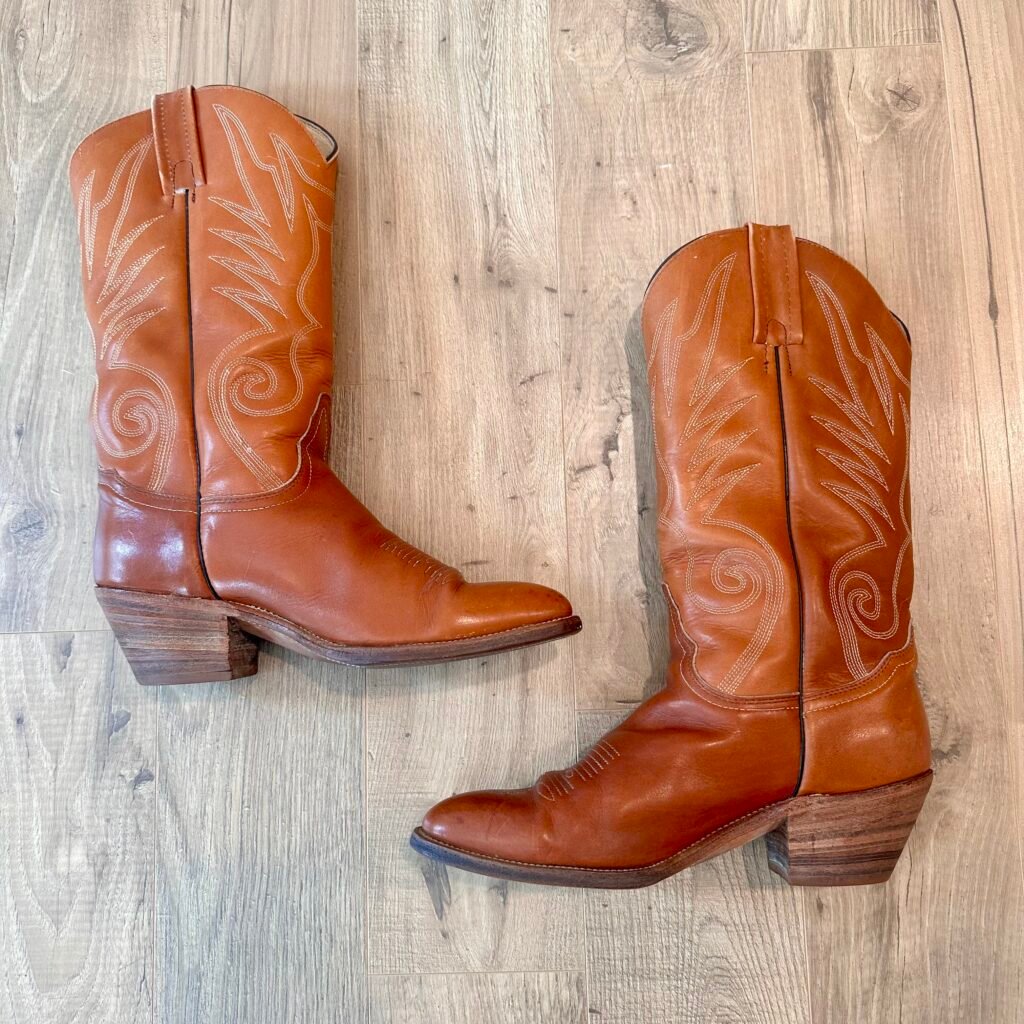
This is a delicate modification, because altering heel height changes the boot’s balance and arch support, but it is one of the best ways to adapt boots to personal comfort or style preferences. They can also replace worn heel caps, which is a routine service.
Cobblers also handle custom fit adjustments and accessibility modifications. They can stretch boots that feel too tight, either in the vamp or across the shaft, and they can narrow or widen shafts within limits. Some owners request zippers to be added, which makes boots easier to get on and off, especially for people with mobility issues or injuries.
Cosmetic work such as re-dyeing leather, restoring faded color, or refinishing exotic skins is also common, though more complex than simple maintenance. Together, these services let boot owners personalize fit, function, and appearance far beyond what’s possible off the shelf.